
When a Jacksonville homeowner owes more on their mortgage than their home is currently worth, the financial pressure can feel overwhelming. A short sale is one potential path forward, but many distressed homeowners hesitate because they fear the out-of-pocket costs. Understanding who actually pays the fees, commissions, and closing costs in a Florida short sale can make the difference between pursuing this option and missing a critical opportunity. In this blog post, Jacksonville real estate expert Phil Aitken discusses who pays for a short sale in Florida and what Jacksonville homeowners can expect when navigating this process.
Key Takeaways
- The lender typically pays real estate commissions, title fees, and closing costs in a Florida short sale, meaning the seller usually owes nothing out of pocket at the closing table.
- Florida lenders have a limited window to pursue deficiency judgments after a short sale, making it critical to negotiate a written deficiency waiver before closing.
- Some Florida short sale sellers may qualify for relocation incentives of $3,000 or more paid directly to them by the lender at closing.
- Working with a Jacksonville short sale specialist significantly improves the odds of getting the lender to approve favorable terms that protect the seller.
In a Florida short sale, the lender typically covers real estate agent commissions, title insurance fees, Florida documentary stamp taxes, and standard closing costs directly from the sale proceeds. This means most sellers walk away from the closing table owing nothing out of pocket. The one significant exception is the deficiency balance, which represents the gap between the sale proceeds and the outstanding mortgage debt—and this risk can often be eliminated through a written deficiency waiver negotiated before closing.
To Discuss Your Home Sale or Purchase, Call or Text Today and Start Packing!
About Phil Aitken, Your Jacksonville Real Estate Expert
This blog post is provided by Jacksonville real estate expert Phil Aitken and the Phil Aitken Home Team at Your Home Sold Guaranteed Realty. With nearly two decades of experience in the Jacksonville and Northeast Florida real estate market, Phil has built a reputation as one of the area’s most trusted and effective real estate professionals. We have successfully helped hundreds of families buy and sell homes each year, developing deep expertise in Jacksonville’s diverse neighborhoods, market trends, and Florida real estate regulations.
As Jacksonville residents, we have a direct understanding of the local market conditions, Duval County procedures, and community needs. Our commitment is to provide trusted, authoritative real estate information to our neighbors in Jacksonville and the surrounding Northeast Florida communities. However, this information does not constitute legal advice or a guarantee of specific results. For personalized guidance on your unique home buying or selling situation, contact us today for a free, no-obligation consultation.
Who Pays What in a Florida Short Sale? Breaking Down the Costs
Many Jacksonville homeowners are surprised to learn that the lender—not the seller—absorbs the majority of transaction costs in a Florida short sale. Understanding how these costs are distributed among the lender, seller, and buyer can bring immediate relief to homeowners who fear they cannot afford to exit an underwater mortgage. Before proceeding, homeowners should also check their current property assessment with the Duval County Appraisal District to ensure their home’s listed value reflects actual distressed market conditions.
The lender typically pays:
- Real estate agent commissions, up to 6% of the sale price per current Fannie Mae guidelines
- Title insurance fees that would normally come from seller proceeds
- Florida documentary stamp taxes, currently charged at $0.70 per $100 of the sale price (on a $200,000 short sale, this amounts to approximately $1,400 paid by the lender)
- Standard closing costs that would otherwise reduce seller proceeds in a traditional sale
The seller typically pays:
- Usually $0 at the closing table in a properly negotiated short sale
- A potential post-closing deficiency balance if no written waiver is obtained from the lender
The buyer typically pays:
- Standard buyer-side closing costs
- Any repairs or improvements the lender declines to fund, since most short sale lenders require the property to be sold “as-is”
Florida sellers also have ongoing disclosure obligations even in a short sale. A qualified agent can help ensure all required disclosures are made to satisfy Florida real estate law and protect the seller from future liability.
“One of the most common fears I hear from Jacksonville homeowners considering a short sale is that they’ll have to write a check they don’t have just to get out of their house. In most cases, that simply isn’t true—the lender covers the agent’s commission, the title fees, and the doc stamps from the sale proceeds. What sellers need to watch for is the deficiency balance, and that’s exactly where having an experienced short sale specialist in your corner makes all the difference.” – Phil Aitken
If you are ready to explore your options and sell your home in Jacksonville, understanding this cost structure is the essential first step.
Florida Short Sale Cost Responsibility Matrix
| Cost Category | Traditional Home Sale | Florida Short Sale | Who Covers It in Short Sale |
|---|---|---|---|
| Real Estate Agent Commission | Paid from seller proceeds (typically 5-6%) | Paid by lender from sale proceeds | Lender |
| Title Insurance | Negotiable (seller typically pays) | Paid by lender | Lender |
| Florida Documentary Stamp Tax | Paid by seller ($0.70 per $100 of sale price) | Paid by lender | Lender |
| Outstanding Mortgage Balance | Paid from proceeds | Forgiven (minus sale proceeds) | Lender absorbs shortfall |
| Seller Out-of-Pocket at Closing | Varies | Usually $0 | N/A |
| Deficiency Balance (remaining debt) | N/A | Risk remains unless waiver negotiated | Seller (unless waiver obtained) |
| Seller Relocation Incentive | N/A | $3,000-$10,000+ (HAFA or lender programs) | Paid TO seller by lender |
Does the Realtor Get Paid in a Florida Short Sale? (And Who Covers It?)
One of the most anxiety-producing questions for distressed homeowners is whether they will owe their real estate agent money they simply do not have. The reassuring answer is no—in a Florida short sale, the seller does not pay the listing agent out of pocket.
In a properly structured short sale, the listing agent’s commission is negotiated with and paid by the lender directly from the sale proceeds. The seller signs a listing agreement exactly as they would in a traditional sale, but they never write a check to the agent at closing. Current Fannie Mae guidelines allow up to 6% in agent commissions to be covered by the lender on approved short sales, which means a seller can access full professional representation without an upfront financial burden.
That said, some lenders may attempt to reduce the commission during the approval process, particularly if multiple servicers are involved or if the transaction timeline is complex. This is one of the most important reasons to work with an experienced local specialist. A top realtor in Jacksonville who has navigated lender negotiations before understands how to advocate effectively for both the seller and the appropriate compensation structure.
Phil Aitken and the Phil Aitken Home Team have closed hundreds of transactions across Northeast Florida real estate markets, including distressed sales that required sophisticated lender negotiation. That depth of experience translates directly into better outcomes for homeowners who need a skilled advocate at the negotiating table. Learn more about what sets Phil’s team apart by visiting the best realtor in Jacksonville page.
Florida Deficiency Judgments: Can the Bank Still Come After You?
Many Jacksonville homeowners carry a quiet but persistent fear: even after completing a short sale, the bank could still sue them for the remaining mortgage balance. This concern is legitimate, but it is also highly manageable if handled correctly before closing. Additionally, understanding the Florida Statute 222.05 homestead exemption implications is vital for sellers looking to eventually transition into a new primary residence while protecting their remaining assets.
In Florida, a lender does retain the legal ability to pursue a deficiency judgment for the difference between the sale proceeds and the outstanding mortgage balance after a short sale. However, Florida law provides a limited window during which lenders may pursue these deficiencies, and this risk can frequently be negotiated away before the transaction closes. For situation-specific guidance, consulting with a qualified Florida real estate attorney is always recommended alongside your agent.
Does the Seller Owe Anything at Closing in a Florida Short Sale?
The critical step that protects sellers is securing explicit deficiency waiver language in the lender’s written approval letter before signing anything or proceeding to closing. Without that language in writing, a seller can complete the short sale and still face collection efforts for the remaining balance for years afterward. With it, the slate is wiped clean.
Some sellers in Jacksonville, Florida and across Northeast Florida even qualify for relocation incentives through programs like HAFA (Home Affordable Foreclosure Alternatives), which can deliver $3,000 to $10,000 or more directly to the seller at closing. What begins as a distressing financial situation can, with the right guidance, become a manageable and even modestly funded exit.
Homeowners facing active foreclosure proceedings face an additional layer of urgency. Florida’s judicial foreclosure process moves on a court-driven timeline, and a short sale must often be approved and closed before the foreclosure reaches completion. Working with an agent who understands these competing timelines is absolutely essential. For sellers exploring faster alternatives, cash home buyers can sometimes provide an accelerated path when a standard short sale timeline is not feasible.
“I always tell Jacksonville homeowners: the approval letter from the bank is the most important document in the entire short sale process. If that letter doesn’t explicitly waive the deficiency balance, you could close on the short sale and still owe the bank money for years afterward. Getting that waiver language in writing—before closing—is non-negotiable.” – Phil Aitken
What Qualifies You for a Short Sale in Florida?
Not every homeowner behind on payments automatically qualifies for a short sale. A lender will generally consider one when the homeowner can demonstrate a legitimate financial hardship AND the home’s current market value is less than the outstanding mortgage balance. Both conditions typically need to exist simultaneously.
Common qualifying hardships across Duval County and the broader Jacksonville area include:
- Job loss or a significant reduction in income
- Divorce or legal separation affecting household finances
- Medical illness or disability impacting the ability to make payments
- Employment relocation (a particularly common hardship in Jacksonville’s large military community, including personnel stationed at Naval Station Mayport and Naval Air Station Jacksonville)
- Rising insurance premiums making payments unaffordable (a distinctly relevant Florida factor given the coastal insurance climate and hurricane risks)
- Expiration of forbearance arrangements that have left homeowners with balloon payment obligations
To apply for a short sale, the homeowner typically submits a hardship letter, recent tax returns, bank statements, and proof of current income (or documented lack thereof) as part of the lender’s required package. VA loan short sales, common among Jacksonville’s military population, carry additional specific guidelines that make local expertise especially valuable.
Homes for sale in Jacksonville at the short sale stage often carry unique complications, including HOA fee arrears. This is a factor particularly relevant in communities like Nocatee, Ponte Vedra Beach, and St. Johns, where active HOAs can place liens that complicate lender approval. An experienced agent helps identify and resolve these issues early in the process.
For homeowners navigating relocation as a hardship driver, the Jacksonville Florida Relocation Guide offers useful context on the local market for both departing and arriving families. The overall timeline from listing to closing in a Florida short sale typically runs 90 to 180 days, though Duval County cases involving active foreclosure may move faster or face additional complexity. Consistent lender communication—managed by a skilled local agent—is the single greatest factor in keeping the process on track.
Why Choose Phil Aitken to Guide Your Jacksonville Short Sale
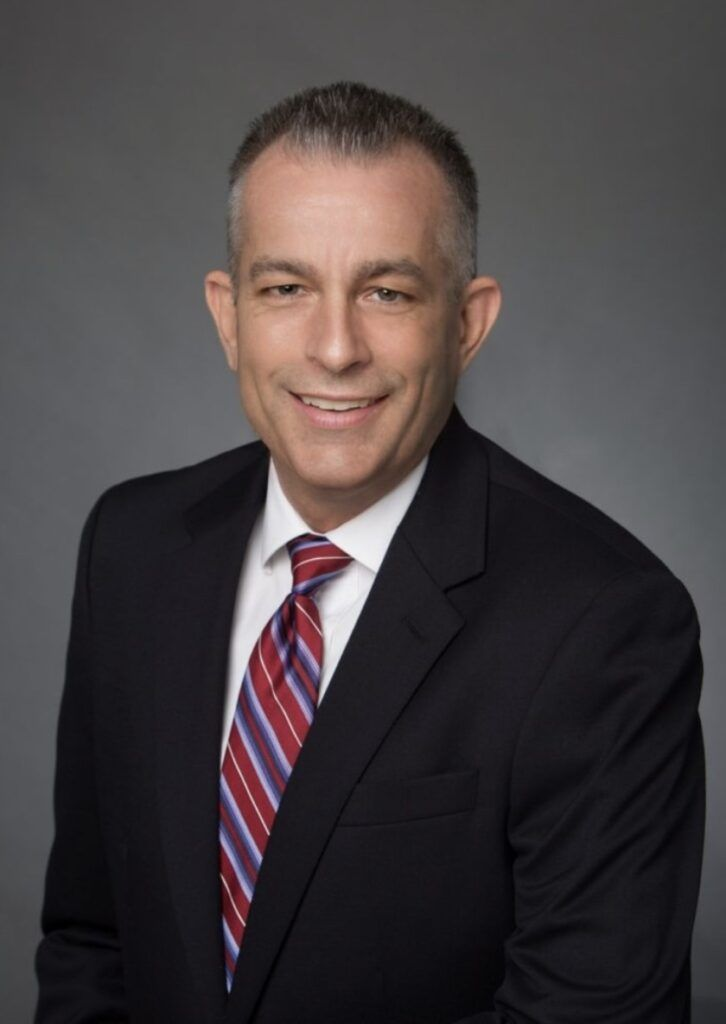
Navigating a Florida short sale requires more than general real estate knowledge; it demands deep familiarity with how local lenders and servicers behave in Jacksonville and Northeast Florida specifically. With nearly two decades of experience in the Jacksonville real estate market, Phil Aitken brings direct knowledge of lender negotiation patterns, Duval County timelines, and the Florida-specific legal nuances that determine whether a seller walks away with a clean slate or lingering debt exposure. Phil’s 192-step success plan includes a structured process for distressed sales that covers everything from hardship documentation to deficiency waiver negotiation, ensuring no critical step is overlooked. The Guaranteed Sale Program also provides a meaningful safety net for sellers exploring their options. With hundreds of 5 Star Google reviews and nearly 70% repeat and referral business, Phil’s faith-based mission—serving with excellence and honoring the dignity of every client—makes him a particularly compassionate guide for homeowners walking through financial hardship.
With nearly two decades of experience in the Jacksonville real estate market, Phil Aitken has built a reputation as one of Northeast Florida’s most trusted and effective real estate professionals. After obtaining his real estate license in 2005 and returning to active sales in 2014, Phil has grown his team from 2 members to 8+ top-performing agents and opened his own brokerage in 2021.
Our Real Estate Expertise
The Phil Aitken Home Team has established their reputation through:
- Successfully completing over 700 transactions throughout Phil’s career
- Achieving a 100% success rate – selling all 130 listings in 2021 with over $40 million in total volume
- Developing specialized knowledge of Jacksonville’s diverse neighborhoods, market trends, and Florida real estate procedures
- Building systems that sell homes 4 times faster than other agents while achieving 5.1% above market price
- Maintaining a database of pre-qualified home buyers ready to purchase
- Creating a proprietary 192-step plan for success that ensures every detail is handled from contract to close
Why Trust Us
The Phil Aitken Home Team’s reputation speaks for itself:
- Proven Results: We sell homes 4 times faster than other agents and typically achieve 5.1% above market price
- Client Satisfaction: Our hundreds of 5-Star Google Reviews and nearly 70% repeat/referral business showcase our commitment to exceptional service
- Guaranteed Performance: Our unique guarantees ensure your complete satisfaction – including our Guaranteed Sale Program where we’ll buy your home if it doesn’t sell
- Award-Winning Service: Recognized as JAX Chamber of Commerce Small Business Leader of the Year
- Local Knowledge: As Jacksonville residents, we understand our community and care deeply about the people we serve
- Faith-Based Mission: Our mission is to honor God in all we do, serve with excellence, and grow profitably
Community Commitment
Our dedication extends beyond real estate. We proudly support:
- Tim Tebow Foundation with a mission to raise $100,000 for this organization that fights to save children from human trafficking
- Rethreaded – All house closing gifts are Rethreaded products, giving freedom to women affected by the sex trade
- Our “Go Serve Big” philosophy – changing lives in the community we live and work in
Ready to Get Started?
Whether you’re buying your first home or selling to move up, the Phil Aitken Home Team is here to guide you every step of the way. Call or text (904) 544-5252 today to discuss your real estate goals and discover why hundreds of Jacksonville families trust us with their most important transactions.
Connect with Phil Aitken on Social Media
Follow Phil Aitken Home Team on social media for the latest Jacksonville and Northeast Florida real estate insights, market updates, and home buying and selling tips. Connect with us on YouTube, Facebook, Instagram, and LinkedIn for exclusive content and expert guidance.
In a Florida short sale, the lender pays the real estate agent’s commission directly from the sale proceeds. Current Fannie Mae guidelines allow lenders to cover up to 6% in commissions on approved short sales, meaning sellers can secure professional representation without any out-of-pocket costs at closing.
Yes, Florida lenders retain the legal ability to pursue a deficiency judgment for the difference between the sale proceeds and the outstanding mortgage balance. However, this risk can usually be eliminated by negotiating explicit deficiency waiver language into the lender’s written approval letter before closing the transaction.
A Florida short sale typically takes between 90 and 180 days from listing to closing. This timeline depends heavily on the lender’s internal review process, whether a Broker Price Opinion is required, and if there are active foreclosure proceedings that complicate the sale in Duval County.