

Watching a mortgage forbearance period expire while your finances have not recovered is one of the most stressful situations a homeowner can face. The fear of a massive lump-sum payment, the uncertainty about what comes next, and the worry about losing your home can feel overwhelming. But homeowners in this situation have more options than most people realize, and acting quickly is what separates a manageable outcome from a foreclosure. In this blog post, Jacksonville real estate expert Phil Aitken discusses what to do when your mortgage forbearance is ending and you still cannot pay.
Key Takeaways
- Lump-sum repayment is rarely required: Most servicers offer structured repayment plans, deferrals, or modifications when forbearance ends.
- A loan modification may lower your payment: If it still does not fit your budget, other options exist.
- Selling your Jacksonville home before foreclosure: This can protect your credit, preserve your equity, and let you start over without out-of-pocket costs.
- The City of Jacksonville offers up to $12,000: Through its Foreclosure Intervention Program, the city helps eligible homeowners bring their mortgage current.
When forbearance ends, missed payments do not all come due at once in most cases. Homeowners typically have several paths available, including a repayment plan, a loan modification, a payment deferral, or selling the home. The right choice depends on whether the financial hardship is temporary or ongoing, and whether the homeowner has equity worth protecting.
To Discuss Your Home Sale or Purchase, Call or Text Today and Start Packing!
About Phil Aitken, Your Jacksonville Real Estate Expert
This blog post is provided by Jacksonville real estate expert Phil Aitken and the Phil Aitken Home Team at Your Home Sold Guaranteed Realty. With nearly two decades of experience in the Jacksonville and Northeast Florida real estate market, Phil has built a reputation as one of the area’s most trusted and effective real estate professionals. We have successfully helped hundreds of families buy and sell homes each year, developing deep expertise in Jacksonville’s diverse neighborhoods, market trends, and Florida real estate regulations.
As Jacksonville residents, we have a direct understanding of the local market conditions, Duval County procedures, and community needs. Our commitment is to provide trusted, authoritative real estate information to our neighbors in Jacksonville and the surrounding Northeast Florida communities. However, this information does not constitute legal advice or a guarantee of specific results. For personalized guidance on your unique home buying or selling situation, contact us today for a free, no-obligation consultation.
What Happens When Your Mortgage Forbearance Period Ends?
If your forbearance is ending and you still cannot make your regular mortgage payment, here is what to do next:
- Contact your servicer immediately: Request an evaluation for loss mitigation options before the forbearance period officially closes.
- Ask about a deferral or repayment plan: Missed payments do not have to come due all at once in most cases.
- Apply for local assistance: The City of Jacksonville offers up to $12,000 through its Foreclosure Intervention Program for eligible Duval County homeowners.
- Assess your home equity: If you have equity, selling before foreclosure may let you walk away without debt and protect your credit score.
- Contact a local real estate expert: A private, no-judgment consultation can help you evaluate whether a short sale or traditional sale is the right reset for your situation.
Do You Have to Pay Everything at Once?
No. In most cases, federal mortgage servicing guidelines require your lender to evaluate you for loss mitigation options before initiating any foreclosure proceedings. Your servicer is generally required to reach out during the 30-45 day window before your forbearance expires to discuss next steps. Two of the most common solutions are a payment deferral, which moves missed payments to the end of your loan term, and a repayment plan, which spreads those missed payments across several future monthly installments.
One important clarification for Florida homeowners is that the state’s homestead exemption (Florida Statute 222.05) does not protect against mortgage lender foreclosure. Many homeowners believe their homestead status shields them from losing their home. It does not apply when the lender holding your mortgage seeks foreclosure. However, Florida is a judicial foreclosure state. Before a lender can take your property, they must file a lawsuit and move through the courts. In Duval County, this process runs through the 4th Judicial Circuit, and it typically takes several months. That timeline gives local homeowners meaningful time to act, but only if they move quickly and make contact with their servicer right away.
Bank-Offered Options When Forbearance Ends
Your mortgage servicer has a legal obligation to review you for available loss mitigation options when forbearance ends. The four primary paths they may offer are outlined here.
- Lump-sum reinstatement: Paying all missed payments at once to bring the loan current. This is rare for homeowners already in financial hardship.
- Repayment plan: Adding a portion of the overdue balance to each future monthly payment until the arrears are repaid.
- Payment deferral: Moving the missed payments to the end of the loan as a balloon payment due when you sell or refinance.
- Loan modification: Permanently restructuring the loan terms, which may lower the interest rate or extend the loan term to reduce the monthly payment.
It is important to be realistic about loan modifications. The process takes 30-90 days, requires extensive documentation, and the resulting payment may still exceed what the homeowner can afford. If you complete the modification process only to discover the new payment still does not fit your budget, you are back where you started, but with less time before foreclosure proceedings can begin. Understanding this gap is critical before investing weeks in a modification application.
“One of the hardest conversations I have with Jacksonville homeowners is when they have spent months trying to get a loan modification approved, only to find out the new payment still does not fit their budget. When the bank cannot find a number that works, there is usually still a way forward. But the window to act is short.” – Phil Aitken
The Jacksonville Foreclosure Intervention Program: Up to $12,000 in Local Help
The City of Jacksonville operates a Foreclosure Intervention Program designed to help eligible Duval County homeowners avoid foreclosure. The program provides up to $12,000 in assistance, structured as a five-year deferred loan, which can be used to bring a mortgage current, complete a loan modification, or assist with a refinance. Eligibility is income-based, tied to area median income (AMI) thresholds that are updated annually. Jacksonville Area Legal Aid administers the program and serves as the primary point of contact for applications. Because AMI limits change each year, contact JALA directly for current dollar thresholds before applying.
Additionally, Florida’s statewide Homeowner Assistance Fund (HAF) provided mortgage relief for eligible homeowners in prior years. As of recent reports, the program closed to new applications. Verify current status directly through Florida’s housing agency before assuming it remains available. Even if federal programs have ended, local resources like the Jacksonville Foreclosure Intervention Program remain active and represent a meaningful source of help for Duval County residents.
If you are evaluating whether your home’s value gives you options beyond a modification, a free home valuation can clarify your equity position before you decide on a path forward.
Post-Forbearance Options: What Your Servicer May Offer
| Option Name | How It Works | Who It Helps | Timeline |
|---|---|---|---|
| Lump-Sum Reinstatement | Paying all missed mortgage payments at once to bring the loan completely current. | Homeowners who have fully recovered from a temporary financial hardship and have cash on hand. | Immediate payment in full. |
| Repayment Plan | Adding a portion of the overdue balance to each future regular monthly payment until the arrears are repaid. | Homeowners who can currently afford a slightly higher monthly payment temporarily. | Spread across several future monthly installments. |
| Payment Deferral | Moving the missed payments to the very end of the loan as a non-interest bearing balloon payment. | Homeowners who can resume their normal monthly payment but cannot afford to pay extra toward arrears. | Due when you sell the home, refinance, or reach the end of the loan term. |
| Loan Modification | Permanently restructuring the loan terms (lowering interest rate or extending term) to reduce the monthly payment. | Homeowners experiencing ongoing hardship who need a permanent lower monthly payment to avoid foreclosure. | Takes 30-90 days to process and requires extensive documentation. |
When the Bank Cannot Help: The Short Sale Reset Button
If you have exhausted modification options, or if no version of a restructured payment fits your budget, a short sale may be the most financially sound decision available to you. A short sale occurs when a homeowner sells the property for less than the outstanding mortgage balance, and the lender agrees to accept the sale proceeds as full or partial satisfaction of the debt. This is not the same as foreclosure. In a short sale, you initiate and manage the process, and in most cases you pay nothing out of pocket to cover the gap between the sale price and the loan balance. The lender absorbs that shortfall after approving the transaction.
For homeowners in communities like Orange Park, St. Johns, Fleming Island, and Nocatee, where property values have held firm in recent years, a traditional sale with equity may actually be the better path. Before assuming a short sale is necessary, it is worth knowing your home’s current market value. Many local homeowners are surprised to discover they have more equity than expected, which opens the door to a standard listing, a payoff of the mortgage balance, and a clean start.
Contrasting a short sale with foreclosure on three key dimensions helps clarify the stakes:
- Credit impact: A short sale is significantly less damaging to your credit than a foreclosure judgment.
- Future buying eligibility: The waiting period to qualify for a new mortgage is typically shorter after a short sale than after a foreclosure.
- Control: In a short sale, the homeowner drives the timeline. In foreclosure, the lender and courts control the process entirely.
Florida homeowners should also be aware of the deficiency judgment rule. After a foreclosure judgment, lenders have one year to pursue a deficiency if the sale of the foreclosed property does not cover the full loan balance. A properly negotiated short sale, with written lender approval, can eliminate this risk. Additionally, Florida has no state income tax, which affects how forgiven mortgage debt is treated compared to other states. Consult a tax professional regarding any potential federal tax implications of forgiven debt in your specific situation.
“A short sale is not giving up. It is making a smart financial decision under difficult circumstances. Jacksonville homeowners who complete a short sale instead of going through foreclosure typically rebuild their credit faster, avoid a deficiency judgment, and walk away without owing money they do not have. We handle the entire process and never judge the situation that brought someone to our door.” – Phil Aitken
One important caution is that distressed homeowners are frequently targeted by predatory investors offering “subject-to” arrangements where an investor takes title to your property and promises to keep making payments. If that investor stops paying, you remain liable on the mortgage. Always verify credentials and consult a licensed attorney before signing any document that transfers property rights. Working with a top realtor in Jacksonville with verifiable credentials is the safest path.
To understand your full range of options, including how to sell your home in Jacksonville through a traditional listing or a short sale, visit our home selling resources page. For homeowners who need speed above all else, our cash home buyers program may provide an alternative worth exploring.
Sell vs. Foreclosure vs. Short Sale: How Each Affects Jacksonville Homeowners
| Outcome | Traditional Sale (with equity) | Short Sale (Distressed) | Foreclosure |
|---|---|---|---|
| Credit Impact | Positive. Preserves your credit score and demonstrates financial responsibility. | Significantly less damaging than a foreclosure judgment. Allows for a faster credit rebuild. | Severe. Long-lasting damage to your credit report that remains on public record. |
| Out-of-Pocket Costs | Standard closing costs apply but are paid seamlessly from your home’s equity. | Usually $0. Lender absorbs the shortfall. Note: Florida has no state income tax on forgiven debt. | High risk. Under Florida law, lenders have a 1-year statute of limitations to pursue a deficiency judgment for unpaid balances. |
| Timeline to Complete | Fastest. With the Phil Aitken Home Team, homes typically sell 4x faster than market average. | Moderate. Homeowner initiates the sale and negotiates timeline with the lender. | Slow and uncertain. Dictated by the Duval County 4th Judicial Circuit courts, typically taking several months. |
| Future Buying Eligibility | Immediate. You can purchase your next home right away. | Shorter waiting period to qualify for a new mortgage compared to foreclosure. | Longest wait. Typically requires years before you are eligible to qualify for a new mortgage. |
| Control Over Process | Total Control. Homeowner dictates listing terms and timelines. | High Control. Homeowner initiates and actively manages the process instead of the courts. | Zero Control. The lender and the court system control the entire legal process. |
Local Resources and Free Help in Jacksonville
Jacksonville is a large and growing city, and homeowners facing foreclosure do not have to navigate the process without support. Several local and national resources provide free guidance.
- Jacksonville Area Legal Aid (JALA): 126 W. Adams St, Jacksonville, FL 32202 | 904-356-8371 | Free legal assistance for income-eligible homeowners facing foreclosure, including help with the City’s Foreclosure Intervention Program application.
- HUD-Approved Housing Counselors: Crisis Housing Solutions and St. Johns Housing Partnership both serve the Jacksonville area and offer free foreclosure prevention counseling. Find them through the HUD counselor locator at hud.gov.
- CFPB Hotline: (855) 411-2372 | Free national resource for homeowners who need guidance on servicer rights and complaint resolution.
Before contacting any resource, gather the following documents to make your consultation as productive as possible:
- Recent mortgage statements showing current balance and arrears
- Proof of current income (pay stubs, benefit letters, or profit and loss statement)
- A written hardship letter explaining the circumstances that led to the missed payments
- Three to six months of bank statements
- Most recent federal tax returns
These resources address the immediate financial crisis. But homeowners who have exhausted bank options, do not qualify for assistance programs, or simply cannot sustain any modified payment have one more path available: a private, no-judgment consultation with a Northeast Florida real estate expert to assess whether selling, through a traditional listing or a short sale, is the right decision for their situation. The Phil Aitken Home Team has earned hundreds of 5 Star Google reviews from local families navigating exactly these kinds of difficult transitions. Homeowners who complete a short sale and begin rebuilding often return to the market looking at homes for sale in Jacksonville within a few years, ready to start fresh with a stronger foundation.
Why Choose Phil Aitken to Help You Navigate a Forbearance Crisis
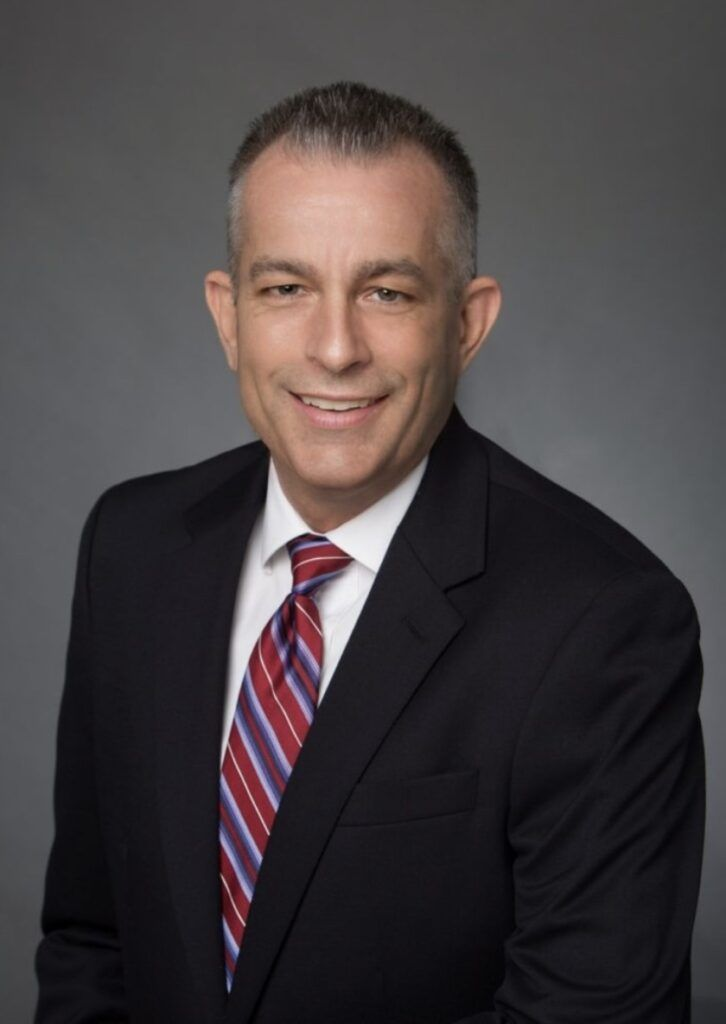
Phil Aitken has guided area homeowners through difficult real estate transitions for nearly two decades, including the economic collapse of 2009, which he navigated personally. That experience gives him a ground-level understanding of what it feels like to face financial pressure with a mortgage hanging over everything. Unlike a bank or a government hotline, his team provides a private, no-judgment consultation where the homeowner’s financial position, not the lender’s interests, drives the recommendation. His team maintains a database of pre-qualified buyers, which means a home listed through the Phil Aitken Home Team typically sells 4 times faster than with other agents, a critical advantage when a homeowner is racing the clock against foreclosure proceedings in Duval County’s courts. If selling makes sense, the team manages every step, including lender short sale negotiations, so the homeowner never faces the process alone. With over 700 transactions closed across Jacksonville real estate and the surrounding region, and a track record that includes selling 100% of listed homes in a single year, the Phil Aitken Home Team brings both the experience and the results to back up every recommendation.
With nearly two decades of experience in the Jacksonville real estate market, Phil Aitken has built a reputation as one of Northeast Florida’s most trusted and effective real estate professionals. After obtaining his real estate license in 2005 and returning to active sales in 2014, Phil has grown his team from 2 members to 8+ top-performing agents and opened his own brokerage in 2021.
Our Real Estate Expertise
The Phil Aitken Home Team has established their reputation through:
- Successfully completing over 700 transactions throughout Phil’s career
- Achieving a 100% success rate – selling all 130 listings in 2021 with over $40 million in total volume
- Developing specialized knowledge of Jacksonville’s diverse neighborhoods, market trends, and Florida real estate procedures
- Building systems that sell homes 4 times faster than other agents while achieving 5.1% above market price
- Maintaining a database of pre-qualified home buyers ready to purchase
- Creating a proprietary 192-step plan for success that ensures every detail is handled from contract to close
Why Trust Us
The Phil Aitken Home Team’s reputation speaks for itself:
- Proven Results: We sell homes 4 times faster than other agents and typically achieve 5.1% above market price
- Client Satisfaction: Our hundreds of 5-Star Google Reviews and nearly 70% repeat/referral business showcase our commitment to exceptional service
- Guaranteed Performance: Our unique guarantees ensure your complete satisfaction – including our Guaranteed Sale Program where we’ll buy your home if it doesn’t sell
- Award-Winning Service: Recognized as JAX Chamber of Commerce Small Business Leader of the Year
- Local Knowledge: As Jacksonville residents, we understand our community and care deeply about the people we serve
- Faith-Based Mission: Our mission is to honor God in all we do, serve with excellence, and grow profitably
Community Commitment
Our dedication extends beyond real estate. We proudly support:
- Tim Tebow Foundation with a mission to raise $100,000 for this organization that fights to save children from human trafficking
- Rethreaded – All house closing gifts are Rethreaded products, giving freedom to women affected by the sex trade
- Our “Go Serve Big” philosophy – changing lives in the community we live and work in
Ready to Get Started?
Whether you’re buying your first home or selling to move up, the Phil Aitken Home Team is here to guide you every step of the way. Call or text (904) 544-5252 today to discuss your real estate goals and discover why hundreds of Jacksonville families trust us with their most important transactions.
Connect with Phil Aitken on Social Media
Follow Phil Aitken Home Team on social media for the latest Jacksonville and Northeast Florida real estate insights, market updates, and home buying and selling tips. Connect with us on YouTube, Facebook, Instagram, and LinkedIn for exclusive content and expert guidance.
In most cases, missed payments during a forbearance period do not all come due at once when the period ends. Mortgage servicers are generally required by federal guidelines to evaluate homeowners for loss mitigation options, which may include a payment deferral that moves missed payments to the end of the loan term, a repayment plan that spreads the overdue balance across future monthly payments, or a loan modification that restructures the loan entirely. Homeowners should contact their servicer as soon as possible before the forbearance period expires to discuss which option applies to their loan type.
The City of Jacksonville offers a Foreclosure Intervention Program that provides up to $12,000 in assistance to eligible Duval County homeowners, structured as a five-year deferred loan, to help bring a mortgage current, complete a modification, or assist with a refinance. Jacksonville Area Legal Aid at 126 W. Adams St administers the program and provides free legal assistance to income-eligible homeowners facing foreclosure. HUD-approved housing counselors, including Crisis Housing Solutions and St. Johns Housing Partnership, also offer free foreclosure prevention guidance in the Jacksonville area.
Florida is a judicial foreclosure state, meaning a lender must file a lawsuit and obtain a court judgment before they can take possession of a property. In Duval County, this process runs through the 4th Judicial Circuit and typically takes several months from filing to final judgment, giving homeowners meaningful time to pursue alternatives such as a loan modification, a short sale, or a sale of the property before foreclosure is completed. Acting quickly and contacting a servicer or a qualified real estate professional as soon as forbearance ends significantly improves the range of options available.