Across Jacksonville‘s fastest-growing master-planned communities, from Nocatee and eTown to Oakleaf and Bartram Park, HOA dues and CDD bond assessments are climbing every year. Many homeowners are stretched thin, quietly falling behind while hoping things improve. What most don’t realize is that unpaid HOA or CDD fees can result in the loss of their home, even when every mortgage payment has been made on time. The legal mechanisms that govern these fees operate on a completely independent track from your lender, and the consequences move faster than most people expect. In this blog post, Jacksonville real estate expert Phil Aitken discusses the hidden foreclosure risk facing homeowners who fall behind on HOA or CDD fees, and the real-world solutions available before it’s too late.
Key Takeaways
- An HOA can foreclose on your Jacksonville home for unpaid dues, even if your mortgage is current – Florida Statute 720 gives HOAs this independent legal right
- CDD fees are collected through your Duval County property tax bill – nonpayment triggers a tax certificate sale with a faster foreclosure timeline than a traditional HOA lien
- The Florida HOA lien has a five-year statute of limitations – understanding this clock can protect your title and your negotiating position
- A short sale can rescue homeowners facing both mortgage default and unpaid HOA or CDD fees – a skilled negotiator can settle back dues out of sale proceeds, stopping a dual-foreclosure threat
Yes. Florida law gives HOAs the independent right to place a lien and foreclose on your home for unpaid dues, regardless of whether your mortgage is current. CDD fees carry an additional threat: they appear on your Duval County property tax bill, and nonpayment triggers a tax certificate sale that can lead to a tax deed foreclosure on a separate, faster legal track.
To Discuss Your Home Sale or Purchase, Call or Text Today and Start Packing!
About Phil Aitken, Your Jacksonville Real Estate Expert
This blog post is provided by Jacksonville real estate expert Phil Aitken and the Phil Aitken Home Team at Your Home Sold Guaranteed Realty. With nearly two decades of experience in the Jacksonville and Northeast Florida real estate market, Phil has built a reputation as one of the area’s most trusted and effective real estate professionals. We have successfully helped hundreds of families buy and sell homes each year, developing deep expertise in Jacksonville’s diverse neighborhoods, market trends, and Florida real estate regulations.
As Jacksonville residents, we have a direct understanding of the local market conditions, Duval County procedures, and community needs. Our commitment is to provide trusted, authoritative real estate information to our neighbors in Jacksonville and the surrounding Northeast Florida communities. However, this information does not constitute legal advice or a guarantee of specific results. For personalized guidance on your unique home buying or selling situation, contact us today for a free, no-obligation consultation.
How Jacksonville HOAs and CDDs Are Two Different Foreclosure Threats
Most Jacksonville homeowners understand that HOA fees cover community amenities, landscaping, and shared infrastructure. What fewer people understand is that HOA fees and CDD assessments are governed by entirely separate bodies of Florida law, and each carries its own independent path to foreclosure. Treating them as the same financial obligation can be a costly mistake.
HOA fees are monthly dues billed directly by the homeowners association and governed by Florida Statute 720. When you fall behind, the HOA itself initiates the collection and foreclosure process. Your mortgage lender has no say in this process and no ability to stop it. In communities like eTown or Bartram Park, where HOA fees have risen alongside operating costs and reserve funding requirements, falling behind even a few months can trigger the legal escalation quickly.
CDD fees operate on a different track entirely. A Community Development District, authorized under Florida Chapter 190, issues municipal bonds to fund roads, utilities, and infrastructure in newer master-planned communities. Those bond repayments are collected as non-ad valorem assessments on your annual Duval County property tax bill. When you don’t pay your property taxes, you don’t just owe the county, you trigger a tax certificate sale under Florida Chapter 197. A tax certificate holder can apply for a tax deed after just two years, putting your home at risk through a process that moves faster than traditional HOA civil litigation.
One critical misconception to address: Florida’s Homestead Exemption does not protect your home from a CDD tax deed sale. Many homeowners assume homestead status creates a shield. It does not in this context. Homeowners in Nocatee, Oakleaf, and Seven Pines who carry both HOA and CDD obligations simultaneously face a genuine dual liability, two independent legal processes that can run in parallel toward the same outcome. When evaluating homes for sale in Jacksonville within these master-planned communities, buyers must carefully consider these ongoing financial obligations.
If you’re already feeling the pressure, understanding your options to sell your home in Jacksonville before a lien is recorded is far more powerful than waiting for the process to accelerate.
HOA Foreclosure vs. CDD Tax Deed Foreclosure in Jacksonville, Florida
| Comparison Point | HOA Lien Foreclosure | CDD Tax Deed Foreclosure |
|---|---|---|
| How fees are billed | Monthly dues invoice | Duval County property tax bill |
| Governing law | Florida Statute 720.3085 | Florida Chapter 197 (Tax Certificate/Deed) |
| First step when missed | Late fee + 30-day internal notice | Tax certificate issued at county tax sale (typically June) |
| Lien timeline | 45-day Notice of Intent to Lien, then lien recording | Automatic with delinquent tax bill |
| Foreclosure trigger | 45-day Notice of Intent to Foreclose after lien | Certificate holder applies for tax deed after 2 years |
| Statute of limitations | 5 years from lien recording | No equivalent cure window once deed is applied for |
| Does mortgage protect you? | No - HOA forecloses independently | No - tax deed sale extinguishes most liens |
| Real estate solution | Short sale, equity payoff, or negotiated settlement | Short sale or equity payoff before tax deed sale |
What Happens When You Fall Behind: The Legal Escalation in Florida
The HOA collection process moves through predictable stages, but most homeowners don't realize how quickly attorney fees and interest compound the original balance. Under Florida Statute 720.3085, payments are applied in this order: interest first, then administrative late fees, then attorney fees and costs, then principal. That sequencing matters enormously. It means your principal balance is the last thing paid down, and every month of delay adds layers of cost that can feel impossible to overcome.
The timeline works as follows. After your first missed payment, a late fee is assessed, and the HOA typically sends an internal notice within 30 days. If the balance remains unpaid, the HOA records a Notice of Intent to Lien with the Duval County Clerk of Courts after 45 days. Once the lien is recorded, the five-year statute of limitations clock begins. The HOA then must send a Notice of Intent to Foreclose, wait another 45 days, and file a civil foreclosure complaint in Duval County Circuit Court if the balance remains unpaid. By the time a foreclosure complaint is filed, that original $2,500 or $3,000 missed assessment may have grown to $10,000 or more in principal, interest at up to 18% per year, and accumulated attorney fees.
There is one important distinction worth noting. Florida Statute 720.311 requires mandatory mediation before certain HOA disputes proceed to litigation. This requirement can create a window for negotiation, and it is an opportunity that a knowledgeable real estate professional can help you use strategically.
It is also worth clarifying what falls outside HOA foreclosure power. Fines for rule violations, a noise complaint or parking infraction for example, cannot trigger a lien unless they exceed $1,000. Fines alone can never initiate foreclosure. Only unpaid assessments, meaning dues, can be used to force a foreclosure sale. For homeowners who have received violation letters alongside missed payment notices, these are legally separate issues with very different consequences.
"One thing I see over and over with homeowners in communities like eTown and Bartram Park is that they don't realize their HOA balance is growing faster than they think. By the time the notice of intent to foreclose arrives, attorney fees and interest have turned a $3,000 missed assessment into a $12,000 bill. The most important thing you can do is act before that lien is recorded." - Phil Aitken
Jacksonville HOA Delinquency to Foreclosure: The Hidden Timeline
The Short Sale Solution: How to Stop a Dual-Foreclosure Before It Starts
Consider this scenario: a homeowner in Oakleaf or Nocatee has fallen three months behind on their mortgage and has unpaid HOA and CDD assessments totaling thousands of dollars. They are now facing two independent foreclosure processes moving forward simultaneously. It feels paralyzing. But there is an actionable path forward that many homeowners in this situation don't know exists.
A short sale, when handled by an experienced negotiator, allows the homeowner to sell the property with the mortgage lender's approval for less than the outstanding loan balance. What makes this especially powerful in the HOA and CDD context is that the negotiation happens on multiple fronts at once. Phil Aitken and his team can approach both the mortgage lender and the HOA or CDD board simultaneously, working to settle outstanding balances out of the sale proceeds at the closing table. Neither party needs to be paid in full for the transaction to work, because both parties face a worse outcome if a court-ordered foreclosure proceeds.
HOA boards and CDD administrators have a strong practical incentive to accept a negotiated settlement. A contested foreclosure drags on for months, accumulates additional legal costs on both sides, and may result in a court judgment that pays them less than a private negotiated settlement would. Most boards would rather have certainty at closing than a prolonged court battle with an uncertain outcome.
Knowing your equity position before anything else matters. A home valuation helps you understand exactly what leverage you have entering any negotiation. For homeowners who need speed, exploring cash home buyers can provide a fast exit that satisfies all lienholders before a judgment is entered. Working with the top realtor in Jacksonville for this kind of complex transaction is not optional. It is the difference between protecting your financial future and losing both your home and your credit standing to a public auction.
"When a Jacksonville homeowner calls me and says they're three months behind on both their mortgage and their HOA dues, the first thing I tell them is: you have more options than you think. A short sale lets us negotiate with the lender and the HOA board together. Most boards would rather take a settlement at the closing table than wait two years for a court judgment that may pay them less anyway." - Phil Aitken
Jacksonville Communities Where HOA and CDD Pressure Is Rising
The financial pressure from dual HOA and CDD obligations is not abstract. It is playing out right now in specific Jacksonville communities where rapid growth has driven both infrastructure investment and rising association costs. Understanding your community's fee structure is the first step toward protecting yourself.
Communities like eTown, Bartram Park, Wells Creek, and Oakleaf carry both HOA dues and CDD assessments simultaneously. CDD bond repayment schedules are typically set when a community is first developed and do not decrease over time. Homeowners who purchased when bonds were newly issued may be looking at decades of continued assessments even after local infrastructure is long paid for. Nocatee in St. Johns County operates under the same legal framework, though the St. Johns County Tax Collector handles the CDD assessment collection process rather than Duval County.
Recent community conversations around HOA fees in Jacksonville's Baymeadows area, where some homeowners have seen monthly dues approaching $700, reflect a broader pattern across Northeast Florida's master-planned communities. Rising operating costs, insurance premiums, and reserve funding requirements are all pushing associations to raise assessments faster than many homeowners anticipated when they purchased.
If your community is on this list and you are feeling the pressure, the right conversation to have is a private one with a real estate professional who understands both the legal landscape and the local market. There is no judgment in that conversation, only options.
Why Choose Phil Aitken to Navigate Your Pre-Foreclosure Challenges
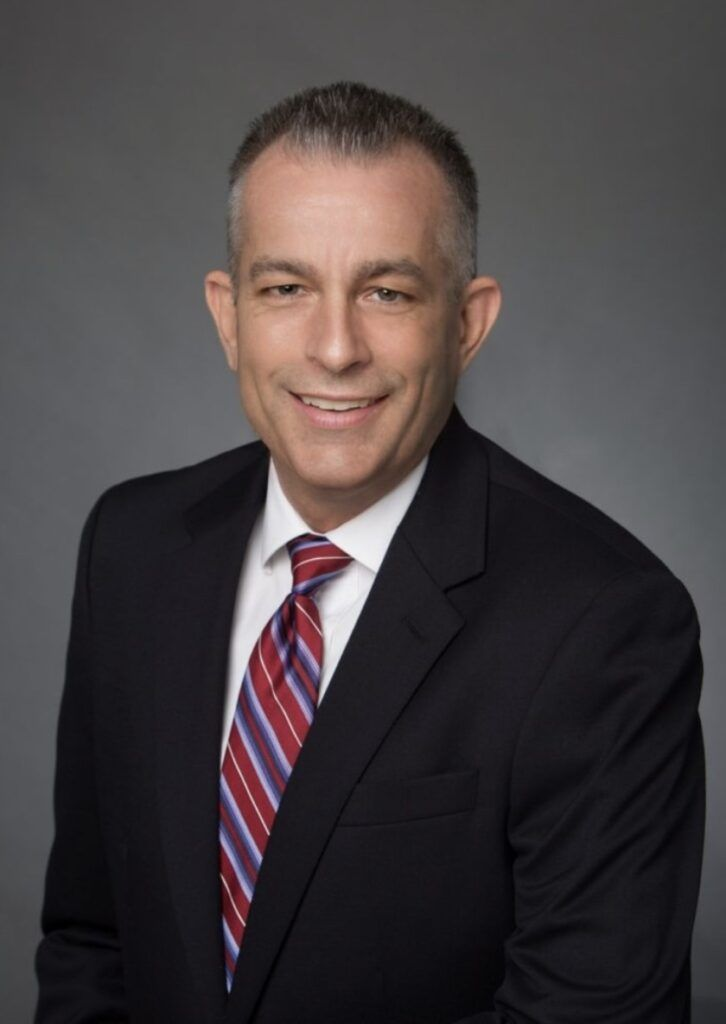
Navigating an HOA or CDD financial crisis requires more than general real estate knowledge. It requires someone who understands how Duval County and St. Johns County tax and court processes intersect with Florida's HOA foreclosure statutes, and who has the transaction experience to negotiate successfully with multiple lienholders at once. Phil Aitken brings nearly 20 years in Jacksonville real estate to exactly these situations, having helped homeowners work through pre-foreclosure listings, short sales, and equity rescue transactions throughout Northeast Florida real estate markets. Unlike a foreclosure attorney who charges by the hour, Phil's initial consultation is completely free, completely private, and comes with no pressure attached.
With nearly two decades of experience in the Jacksonville real estate market, Phil Aitken has built a reputation as one of Northeast Florida's most trusted and effective real estate professionals. After obtaining his real estate license in 2005 and returning to active sales in 2014, Phil has grown his team from 2 members to 8+ top-performing agents and opened his own brokerage in 2021.
Our Real Estate Expertise
The Phil Aitken Home Team has established their reputation through:
- Successfully completing over 700 transactions throughout Phil's career
- Achieving a 100% success rate - selling all 130 listings in 2021 with over $40 million in total volume
- Developing specialized knowledge of Jacksonville's diverse neighborhoods, market trends, and Florida real estate procedures
- Building systems that sell homes 4 times faster than other agents while achieving 5.1% above market price
- Maintaining a database of pre-qualified home buyers ready to purchase
- Creating a proprietary 192-step plan for success that ensures every detail is handled from contract to close
Why Trust Us
The Phil Aitken Home Team's reputation speaks for itself:
- Proven Results: We sell homes 4 times faster than other agents and typically achieve 5.1% above market price
- Client Satisfaction: Our hundreds of 5 Star Google reviews and nearly 70% repeat/referral business showcase our commitment to exceptional service
- Guaranteed Performance: Our unique guarantees ensure your complete satisfaction - including our Guaranteed Sale Program where we'll buy your home if it doesn't sell
- Award-Winning Service: Recognized as JAX Chamber of Commerce Small Business Leader of the Year
- Local Knowledge: As Jacksonville residents, we understand our community and care deeply about the people we serve
- Faith-Based Mission: Our mission is to honor God in all we do, serve with excellence, and grow profitably
Community Commitment
Our dedication extends beyond real estate. We proudly support:
- Tim Tebow Foundation with a mission to raise $100,000 for this organization that fights to save children from human trafficking
- Rethreaded - All house closing gifts are Rethreaded products, giving freedom to women affected by the sex trade
- Our "Go Serve Big" philosophy - changing lives in the community we live and work in
Ready to Get Started?
Whether you're buying your first home or selling to move up, Your Home Sold Guaranteed Realty - Phil Aitken Home Team is here to guide you every step of the way. Call or text (904) 544-5252 today to discuss your real estate goals and discover why hundreds of Jacksonville families trust us with their most important transactions.
Connect with Phil Aitken on Social Media
Follow Phil Aitken Home Team on social media for the latest Jacksonville and Northeast Florida real estate insights, market updates, and home buying and selling tips. Connect with us on YouTube, Facebook, Instagram, and LinkedIn for exclusive content and expert guidance.
Frequently Asked Questions
Yes. Under Florida Statute 720, a homeowners association has the independent legal right to place a lien and initiate foreclosure proceedings for unpaid dues, regardless of whether your mortgage payments are current. Your mortgage lender has no authority to stop this process, and the HOA pursues its claim entirely on its own legal track. Acting before a lien is recorded gives you the most options to negotiate or sell.
HOA fees are monthly dues billed directly by the homeowners association and governed by Florida Statute 720, with nonpayment leading to a civil lien and eventual circuit court foreclosure. CDD fees are non-ad valorem assessments included on your annual Duval County property tax bill under Florida Chapters 190 and 197, and nonpayment triggers a tax certificate sale that can lead to a tax deed foreclosure on a faster, separate legal track. Many Jacksonville homeowners in master-planned communities like eTown, Nocatee, and Bartram Park carry both obligations simultaneously, creating two independent foreclosure risks.
Under Florida law, once an HOA records an official claim of lien against your property, the association has five years to pursue foreclosure before that lien expires. While this may seem like a long window, the balance owed grows rapidly during that period because Florida Statute 720.3085 requires payments to be applied to interest first, then administrative fees, then attorney fees, and finally to the principal balance. Homeowners should not treat the five-year window as a reason to delay, as costs can multiply several times over before the statute of limitations is reached.