

Inheriting property in Jacksonville brings both opportunity and complexity, especially when beneficiaries disagree about whether an executor should sell the family home. Florida’s probate laws provide executors with significant authority to manage estate assets, but also protect beneficiary rights and homestead property through specific constitutional and statutory provisions. Real estate expert Phil Aitken brings personal experience as a personal representative combined with over 20 years navigating Florida probate property sales throughout Northeast Florida. His specialized knowledge helps families understand their legal rights while providing practical guidance through the emotional and logistical challenges of settling a loved one’s estate. In this blog post, Jacksonville real estate expert Phil Aitken discusses whether Florida executors can sell property without beneficiary approval and how to navigate the probate property sale process successfully.
In Florida, an executor can typically sell estate property without beneficiary approval if the will grants them “power of sale” authority under Florida Statute §733.603. However, if the will lacks this provision or the property is protected Florida homestead under Article X, Section 4 of the Florida Constitution, the executor may need court permission or unanimous beneficiary consent. The process is governed by Florida Statutes §733.603 and §733.613, with specific exceptions for homestead properties that protect surviving spouses and minor children.
Key Takeaways
- Florida executors with “power of sale” authority can sell estate property without beneficiary approval, as granted by Florida Statute §733.603, though specific exceptions apply for homestead property
- Homestead property receives constitutional protection under Florida’s Article X, Section 4, restricting executor authority and often requiring beneficiary consent for sales involving surviving spouses or minor children
- Duval County Probate Court approval may be required when the will lacks power of sale provisions, when beneficiaries file formal objections, or when sale prices fall below 90% of appraised value
- Working with a Jacksonville probate real estate specialist helps executors navigate Florida’s unique homestead laws, court filing requirements, and property sale complexities while maximizing value for heirs
To Discuss Your Home Sale or Purchase, Call or Text Today and Start Packing!
Phil Aitken specializes in Florida probate property sales, having personally served as a personal representative for his own family’s estate. His experience navigating Jacksonville probate procedures, combined with connections to multiple buyers, helps executors and heirs sell inherited properties efficiently—often receiving multiple offers within 24 hours for estate settlement needs.
Understanding Executor Authority Under Florida Law
Before selling any inherited property in Jacksonville, understanding the legal foundation of executor authority is essential. In Florida, the correct legal term is “personal representative” rather than executor, though both terms describe the person appointed to manage a deceased person’s estate. Florida Statute §733.603 grants personal representatives broad powers to manage estate assets, including the authority to sell real property when properly granted. However, this authority is not automatic. It requires specific provisions in the will or court approval through the Duval County Probate Court.
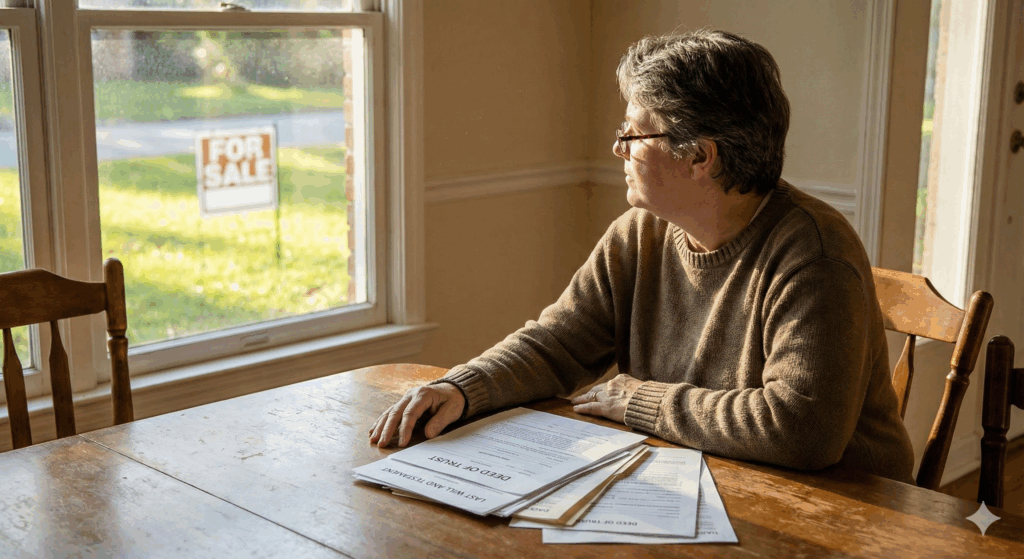
The critical factor determining whether an executor can sell property without beneficiary approval is whether the will contains “power of sale” language. This provision explicitly authorizes the personal representative to sell estate property without obtaining consent from beneficiaries or court permission. Florida Statute §733.613 specifically addresses this authority, stating that personal representatives with power of sale can convey real property when acting in the best interests of the estate. Without this provision, executors must seek either unanimous beneficiary consent or court approval before proceeding with any property sale.
Before exercising any property sale authority, executors must first obtain Letters of Administration from the appropriate probate court. For Jacksonville properties, this means filing with the Duval County Probate Court, which typically processes these letters within three to six weeks after the estate is formally opened. These letters provide legal documentation of the executor’s authority to act on behalf of the estate. Consequently, until Letters of Administration are issued, the executor has no legal standing to list, market, or sell estate property, regardless of what the will states.
What Is “Power of Sale” in a Florida Will?
“Power of sale” is specific legal language that must appear in a will to grant executors independent authority to sell estate property. This provision typically includes phrases like “my personal representative shall have full power to sell any real property” or “I grant my executor the authority to sell estate assets without court approval.” When this language is present, the personal representative can make property sale decisions independently, acting as a fiduciary for all beneficiaries’ collective interests. The power of sale eliminates the need for beneficiaries to sign off on individual transactions, streamlining the estate settlement process significantly.
Even with power of sale authority, executors must still act reasonably and in good faith. Florida law requires personal representatives to obtain fair market value for estate assets under Florida Statute §733.612. Therefore, if beneficiaries believe the executor is selling property below market value or making decisions that harm estate interests, they can file objections with the probate court. The Duval County Probate Court will then review the proposed sale to determine whether it serves the estate’s best interests and protects all beneficiaries fairly.
When Court Approval Is Required
Several situations require probate court approval even when the will grants power of sale authority. First, when the proposed sale price falls below 90% of the property’s appraised value, Florida courts typically require approval to protect beneficiary interests. Second, when beneficiaries file formal objections to a proposed sale, the court must review the objection and determine whether the sale should proceed. Third, when the will lacks power of sale provisions entirely, executors must petition the Duval County Probate Court for permission to sell any real property.
Court supervision becomes necessary when estate circumstances are complex. Properties with multiple owners, unclear title issues, or significant creditor claims often require court oversight to ensure proper distribution of sale proceeds. In Jacksonville, executors working with probate attorneys can file a “Petition for Authorization to Sell Real Property” with the Duval County Probate Court, which typically requires two to four weeks for court review and approval. This timeline should be factored into any estate settlement planning, especially when families need quick property sales to satisfy debts or distribute inheritances.
Florida Homestead Property: The Critical Exception
Florida’s homestead exemption creates the most significant limitation on executor authority to sell property without beneficiary approval. Under Article X, Section 4 of the Florida Constitution, homestead property receives unique protection that often overrides will provisions and executor powers. This constitutional protection exists to safeguard families from losing their primary residence due to creditor claims or hasty estate decisions. Understanding whether inherited property qualifies as homestead is the critical first step in determining executor authority for any Jacksonville real estate sale.
Homestead property in Florida is defined as the deceased person’s primary residence at the time of death, subject to acreage limitations. For properties within a municipality like Jacksonville, homestead protection covers up to one-half acre. For properties outside municipal boundaries in areas like Clay County or St. Johns County, homestead protection extends to up to 160 acres. The property must have been the decedent’s permanent residence, not a vacation home, rental property, or investment property. When property qualifies as homestead, Florida law severely restricts the executor’s ability to sell without consent from protected beneficiaries.
The most significant homestead protection applies to surviving spouses and minor children. Florida Constitution Article X, Section 4 grants surviving spouses a life estate in homestead property, meaning they have the right to live in the home for their lifetime regardless of what the will directs. Minor children have homestead rights until they reach age 18 or complete secondary education. These constitutional protections cannot be overridden by will provisions—even if the deceased’s will explicitly states the executor should sell the property, constitutional homestead rights prevail. As a result, executors attempting to sell homestead property without obtaining consent from protected beneficiaries will face court challenges and potential personal liability.
How to Determine if a Jacksonville Property Is Homestead
Determining homestead status for Jacksonville inherited properties requires examining several factors. The first indicator is whether the deceased claimed the Florida homestead exemption on their property taxes. Duval County Property Appraiser records show whether homestead exemption was filed, providing strong evidence of homestead status. However, homestead exemption filing for tax purposes doesn’t automatically establish constitutional homestead protection—the property must have actually been the primary residence at the time of death.
For properties in Northeast Florida real estate markets like Ponte Vedra, Nocatee, or Jacksonville Beach, additional factors include where the deceased was registered to vote, which address appears on their driver’s license, and where they received mail and spent the majority of their time. If the deceased split time between multiple properties, Florida courts will examine the totality of circumstances to determine which property qualifies as the true homestead. Working with a knowledgeable Jacksonville probate attorney helps executors navigate these determinations, especially when property ownership is complex or the deceased maintained multiple residences.
Homestead Property Rights for Surviving Spouses and Minor Children
When homestead property passes to a surviving spouse, the constitutional protection is absolute. The surviving spouse receives either a life estate (the right to live in the property for their lifetime) or an undivided one-half interest as a tenant in common with the deceased’s other heirs, depending on whether there are descendants from outside the marriage. In either case, the executor cannot sell the property without the surviving spouse’s explicit written consent. Even if all other beneficiaries agree to the sale, the surviving spouse’s rights cannot be overridden.
For estates involving minor children, homestead protection continues until all children reach age 18 or complete secondary education. When there is no surviving spouse but there are minor children, the homestead property cannot be sold during this protection period unless the court determines the sale serves the children’s best interests. The Duval County Probate Court will appoint a guardian ad litem to represent the children’s interests and will only approve sales when the proceeds will be used for the children’s benefit, such as funding education or necessary living expenses. These cases require careful legal navigation to balance estate needs with constitutional protections.
“Having personally served as the personal representative for my own family’s estate, I understand the emotional complexity when beneficiaries disagree about selling a loved one’s home. The key is transparent communication about market conditions, property needs, and each heir’s financial situation—combined with proper legal documentation of all decisions. Florida’s homestead protections add another layer of complexity that requires both legal expertise and empathy for families navigating these difficult conversations.” – Phil Aitken
Timeline: How Long Does the Florida Probate Property Sale Process Take?
One of the most common questions executors ask is how long the probate property sale process takes in Jacksonville. The complete timeline typically ranges from six to twelve months for most estates, though it can vary significantly based on several factors including estate complexity, property condition, and whether beneficiaries agree on the sale. Understanding each phase of this timeline helps executors set realistic expectations and plan accordingly for estate settlement needs.
The process begins with opening the estate and obtaining Letters of Administration from the Duval County Probate Court. For straightforward estates where the will is uncontested and proper documentation is filed, this initial phase takes three to six weeks. However, complex estates with contested wills, unclear beneficiaries, or out-of-state heirs may experience longer timelines. During this phase, executors cannot legally list or market the property—they must wait for official court authorization through Letters of Administration before exercising any property sale authority.
Florida law mandates a 90-day creditor claim period after the Notice to Creditors is published, as required by Florida Statute §733.2121. This protection period allows creditors to file claims against the estate before assets are distributed. While executors can begin marketing the property during this 90-day period, the actual closing and distribution of proceeds typically cannot occur until the creditor period expires and all legitimate claims are satisfied. This requirement protects both creditors and executors from liability, ensuring proper estate settlement procedures are followed.
Phase 1: Opening the Estate and Obtaining Letters of Administration
For Jacksonville estates, the first step involves filing a Petition for Administration with the Duval County Probate Court. This petition includes the original will (if one exists), death certificate, and information about estate assets and beneficiaries. The court must verify the will’s validity, confirm the named personal representative is qualified to serve, and issue formal Letters of Administration that grant legal authority to manage estate assets.
The timeline for this phase depends on several factors. Uncomplicated estates with clear wills and cooperative beneficiaries typically receive Letters of Administration within three to six weeks. However, will contests, unclear beneficiary designations, or challenges to the personal representative’s qualifications can extend this phase to three to six months. During this time, the property remains in legal limbo—it cannot be sold, but it still requires maintenance, insurance, and property tax payments that drain estate resources.
Phase 2: Florida’s 90-Day Creditor Claim Period
Once the estate is opened and Letters of Administration are issued, Florida law requires publication of a Notice to Creditors in a local newspaper, typically the Florida Times-Union for Jacksonville estates. From the date of this publication, creditors have 90 days to file claims against the estate. This mandatory waiting period protects creditors’ rights while providing executors with a definitive timeline for estate settlement.
During this 90-day period, executors can take important preparatory steps for the property sale. For example, they can order professional appraisals to establish fair market value, coordinate necessary repairs or cleanouts, and even list the property for sale or obtain cash offers. However, the actual closing and transfer of title typically cannot occur until the creditor period expires and the executor confirms all legitimate claims have been paid. This strategic approach allows marketing to begin while legal requirements are satisfied, reducing the overall timeline.
Phase 3: Property Marketing, Sale, and Court Approval
The property sale timeline varies significantly based on the chosen sale method and market conditions. Traditional listings in Jacksonville’s Northeast Florida real estate market typically take 30 to 90 days from listing to accepted offer, depending on property condition, pricing strategy, and buyer demand. Properties in desirable areas like Ponte Vedra Beach or Nocatee may sell faster, while properties requiring repairs or in less desirable locations may take longer. After an offer is accepted, the traditional closing process adds another 30 to 45 days for inspections, financing approval, and title work.
Cash offers provide significantly faster timelines for estates needing quick settlements. Top realtor in Jacksonville Phil Aitken’s connections to multiple cash buyers mean executors can receive multiple offers within 24 hours. Cash buyers eliminate financing contingencies, lengthy inspection periods, and appraisal requirements. Once an offer is accepted, cash sales can close in as little as 14 to 21 days, subject to any required court approval. This expedited timeline is particularly valuable for estates with pressing financial needs or when beneficiary disagreements make prolonged marketing problematic.
Estimate Your Florida Probate Property Sale Timeline
Total Estimated Timeline
4 – 7 MonthsFactors That May Extend Your Timeline
- Will contest or validity challenges
- Significant beneficiary disputes
- Receiving only below-market offers
- Complex homestead determinations
- Coordinating with out-of-state heirs
A Jacksonville Realtor’s Guide to the Probate Property Sale Process
Once executors obtain legal authority to sell inherited property, they face numerous practical challenges that legal documents don’t address. Successfully marketing and selling a probate property in Jacksonville requires understanding current market conditions, preparing the property for maximum value, navigating disclosure requirements, and coordinating with multiple parties including attorneys, beneficiaries, and potential buyers. Phil Aitken’s specialized probate real estate expertise bridges the gap between legal authorization and successful property sale, providing executors with comprehensive support through each step.
Home Valuation
The first critical decision involves property valuation and pricing strategy. Executors need two types of valuations for probate properties: a date-of-death appraisal for estate tax purposes and a current market valuation for listing purposes. The date-of-death appraisal establishes the property’s value at the time of the decedent’s passing, which determines the estate’s tax basis and potential capital gains implications for beneficiaries. The current market valuation reflects today’s Jacksonville real estate conditions and determines the optimal listing price to achieve a successful sale.
Property preparation presents unique challenges for probate sales. Many inherited homes have been vacant for months, with deferred maintenance issues and accumulated personal belongings requiring disposition. Executors must coordinate estate cleanouts, handle necessary repairs, address curb appeal concerns, and prepare the property to compete with other homes for sale. These logistics become particularly complex when executors live out of state or when multiple heirs need to coordinate regarding which personal items to keep, sell, or donate. Phil’s probate concierge services handle these practical details, including coordinating vendors, scheduling repairs, and managing property security during the marketing period.
Marketing estate properties requires specialized approaches that traditional home sales don’t. Disclosure requirements differ for estate sales—executors must reveal known material defects but typically aren’t liable for unknown issues if they didn’t occupy the property. Additionally, marketing to the right buyer pool makes a significant difference. Some buyers specifically seek probate properties and are willing to purchase “as-is,” while others need move-in ready homes. Phil’s database of pre-qualified buyers includes investors, first-time homebuyers, and move-up buyers across all property types, enabling efficient matching between probate properties and appropriate buyers.
Traditional Listing vs. Cash Offers for Florida Probate Properties
Executors must decide between traditional listing and cash offers when sell your home in Jacksonville as part of estate settlement. Traditional listing through the Multiple Listing Service (MLS) typically achieves the highest sale prices—often 5 to 10% more than cash offers—because it exposes the property to the widest buyer pool and creates competitive bidding opportunities. Phil Aitken’s track record demonstrates this advantage, with his clients regularly receiving 5.1% more than market price through his aggressive marketing strategies and pre-qualified buyer database. Traditional listing makes the most sense when the property is in good condition, the estate has sufficient funds to cover carrying costs during marketing, and beneficiaries agree to wait for optimal results.
What is a Cash Offer on a House?
In contrast, cash offers provide speed and certainty that are particularly valuable for probate situations. Cash home buyers in Jacksonville can provide offers within 24 hours and close in as little as 14 days after any required court approval. These buyers purchase properties “as-is,” eliminating repair costs, cleaning expenses, and the ongoing carrying costs of insurance, property taxes, and utilities during a prolonged marketing period. While cash offer prices typically run 10 to 15% below retail market value, the total net proceeds often compare favorably after accounting for traditional listing costs including agent commissions, repair expenses, months of carrying costs, and the risk of deals falling through due to financing issues.
The best decision depends on several estate-specific factors:
- Property condition (poor condition favors cash sale)
- Heir agreement level (disagreements favor quick resolution)
- Estate liquidity needs (immediate cash needs favor cash sale)
- Current Jacksonville market conditions (hot markets favor traditional listing)
- Executor burden tolerance (limited time or energy favors cash sale)
Many estates benefit from Phil’s approach of obtaining both a traditional listing market analysis and multiple competitive cash offers simultaneously, giving executors complete information to make informed decisions that serve all beneficiaries’ interests.
Managing Multiple Heirs and Out-of-State Coordination
One of the most challenging aspects of probate property sales involves coordinating among multiple heirs, especially when beneficiaries live out of state or have different financial needs and preferences. Some heirs may want to maximize sale price and are willing to wait, while others may need immediate cash distribution and prefer quick sale options. These differing priorities can create family tension during an already emotional time. Successful executors establish clear communication channels from the beginning, providing all heirs with regular updates about property condition, market conditions, offers received, and timeline expectations.
Phil Aitken’s experience managing estates with multiple beneficiaries across different states provides valuable frameworks for executor communication. He recommends establishing a single point of contact for property-related decisions (typically the executor) while ensuring all beneficiaries receive identical information simultaneously. This approach prevents confusion and reduces the potential for misunderstandings that can derail sales. For out-of-state heirs who cannot visit the property, Phil provides detailed photo and video documentation of property condition, recommended repairs, and market comparisons to help distant heirs make informed decisions. His 192-step success plan includes specific checkpoints for beneficiary communication and approval, ensuring no critical decisions are made without proper heir notification.
Why Choose Phil Aitken to Sell Your Inherited Jacksonville Property
When executors need to sell inherited property in Jacksonville, working with a real estate professional who truly understands Florida probate procedures makes all the difference. Phil Aitken at Your Home Sold Guaranteed Realty - Phil Aitken Home Team brings specialized probate real estate expertise combined with compassionate guidance through one of life’s most difficult transitions. His proven systems help Jacksonville inherited properties sell 4x faster than the market average, with sellers typically receiving 5.1% higher prices than comparable properties. With hundreds of 5 Star Google reviews and a Guaranteed Sale Program that eliminates uncertainty, Phil provides peace of mind during estate settlement. His team’s database of pre-qualified buyers often generates multiple offers within 24 hours for probate properties, expediting the process for families needing quick resolutions. Contact Phil today at (904) 544-5252 to discuss your inherited property sale and start planning your path forward.

Specialized Probate Real Estate Expertise
Phil brings both firsthand experience and deep empathy to families navigating probate. Having personally served as the personal representative for his own family’s estate, Phil understands the emotional weight and logistical complexity that executors face when settling a loved one’s affairs. That experience inspired him to specialize in helping others through one of life’s most difficult transitions, providing turnkey support that goes far beyond traditional real estate services.
With nearly two decades of experience serving families dealing with probate throughout Florida, Phil provides comprehensive probate concierge services including:
- Property maintenance and security coordination (re-keying, vacant home checks, insurance guidance)
- Estate sale coordination and personal property evaluation
- Accurate date-of-death appraisals for IRS reporting
- Connections to trusted probate attorneys and estate professionals throughout Florida
- Complete vendor coordination for repairs, cleaning, landscaping, and property preparation
Real Estate Solutions
Phil offers multiple real estate solutions tailored to each estate’s unique needs: traditional listings to maximize value when time permits, “as-is” cash offers for quick settlements (often within 24 hours), and creative options like owner financing when appropriate. His 192-step success plan ensures every detail is handled professionally from initial consultation through final distribution of proceeds. Phil proudly serves families throughout Jacksonville, Northeast Florida’s six-county region, and the entire state of Florida, providing valuable resources, trusted guidance, and peace of mind during life’s most difficult moments.
With more than 20 years in the real estate industry and leading a team of 8+ top-performing Jacksonville agents, Phil has completed over 700 transactions throughout his career. His team sold 100% of listings in 2021 (130 homes for sale in Jacksonville, over $40 million in volume) and has been recognized with the JAX Chamber of Commerce Small Business Leader of the Year award and FastExpert Top Realtor in Jacksonville (2022). Phil’s relationship-focused approach demonstrates success, with nearly 70% of business coming from repeat clients and referrals who trust his expertise and value his commitment to serving with excellence.
Phil and his wife Janet are dedicated to their faith-based mission: “Honor God in all we do, serve with excellence, and grow profitably.” They proudly partner with the Tim Tebow Foundation supporting its mission to fight human trafficking, and with Rethreaded, an organization employing and empowering survivors of human trafficking. Their “Go Serve Big” philosophy drives everything they do in the Jacksonville community and beyond.
Ready to discuss selling your inherited Jacksonville property? Contact us today at (904) 544-5252 and let Phil help guide you through this process with expertise and compassion.
Follow Us on Social Media
Follow Phil Aitken Home Team on social media for the latest Jacksonville and Northeast Florida real estate insights, market updates, and home buying and selling tips. Connect with us on YouTube, Facebook, Instagram, and LinkedIn for exclusive content and expert guidance.
FAQ
In Florida, executors must act in the best interests of the estate and all beneficiaries, which includes obtaining fair market value for property sales. Under Florida Statute §733.612, personal representatives have a fiduciary duty to manage estate assets prudently. If an executor wishes to sell inherited property in Jacksonville for less than 90% of its appraised value, Duval County Probate Court approval is typically required to protect beneficiary interests.
The court will examine whether the below-market sale is justified (such as poor property condition, urgent estate liquidity needs, or unfavorable market conditions) or whether it constitutes a breach of fiduciary duty. Executors who sell property below market value without court approval or valid justification can be held personally liable for the difference in value. Working with a Jacksonville real estate expert like Phil Aitken ensures executors receive accurate market valuations and multiple competitive offers, protecting both the executor and beneficiaries while maximizing estate value. Phil’s database of pre-qualified buyers and connections to multiple cash investors mean executors can obtain fair market offers quickly without sacrificing value for speed.